

Understanding the Tractor Truck from SHACMAN – A Deep Dive into Heavy‑Duty Haulage
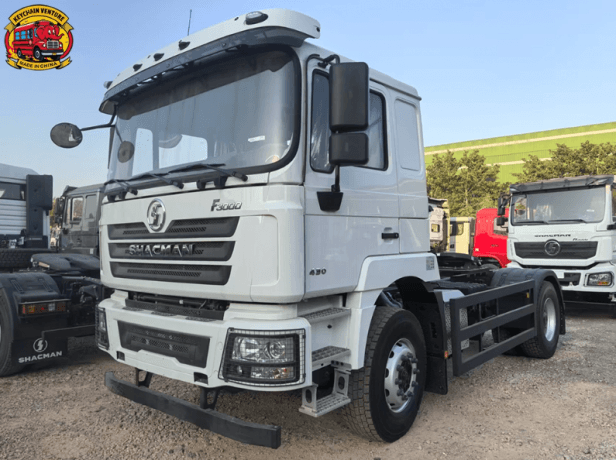
please click here:
https://www.keychainventure.com/tractor-truck-shacman.html
When it comes to heavy‑duty transport and logistics, the choice of tractor truck is critical. For many fleet operators across developing and emerging markets the Chinese‑based manufacturer SHACMAN (officially Shaanxi Automobile Group Co., Ltd.) has become a serious contender. This blog explores what makes a SHACMAN tractor truck compelling, how its key models compare, and what operators need to know when evaluating these vehicles.
The Brand and Its Place in the Market
Origins and global reach
SHACMAN traces its roots to the Shaanxi region of China and was originally established under the umbrella of Shaanxi Automobile. Over the years, the company has leveraged technology partnerships (notably with German OEMs) and developed a global export presence. The brand now builds heavy‑duty trucks including tractor units and distributes them via overseas offices and service networks.
Why the ‘tractor truck' segment matters
In the context of haulage, the term “tractor truck” refers to the prime mover or truck head that attaches to a semi‑trailer. For fleet owners the tractor's performance, reliability, total cost of ownership and serviceability are decisive. SHACMAN's tractor trucks offer a lower initial cost compared with many Western or Japanese alternatives, which can make them attractive for cost‐sensitive markets.
SHACMAN's value proposition
According to the company's product pages, SHACMAN emphasises high efficiency, low fuel consumption, driver comfort and intelligent connectivity. That means the brand is attempting to compete not purely on price but by offering depth in features and global support.
Key Models in the Tractor Truck Range
SHACMAN offers a number of series. Below is a comparative table to help understand how some of the main tractor‑truck models differ.
| Model | Typical Drive Configuration | Engine / Power Range | Intended Usage / Highlights |
|---|---|---|---|
| F3000 | 6×4, 4×2 variants | Engines derived from MAN/Weichai partnership; for example WP10/WP12 series in earlier versions. | Entry to mid‑heavy haulage; workhorse for general logistics. |
| X3000 | 6×4 configuration common | Up to 450hp or higher; Cummins/Weichai options. | Long‑haul, higher speed, premium variant; improved aerodynamics (wind resistance coefficient 0.53 claimed) to save fuel. |
| X5000 / X6000 | 6×4 heavy haulage | Even higher power levels, designed for more demanding applications. | For heavier loads, tougher routes, where premium performance is required. |
This table gives a simplified overview, but actual spec will vary with export markets, engine emission stage, local regulations and optional equipment.
What Makes a SHACMAN Tractor Truck Stand Out?
Engine and powertrain options
One of the strengths of SHACMAN units is the broad selection of engines and drive‑train configurations. For example the X3000 series offers CUMMINS or WEICHAI engines, supports Euro II to Euro V (and in some markets higher) emissions levels. The flexibility means that operators in countries with looser regulation can buy lower‑cost models, while those in stricter jurisdictions can choose more advanced spec.
Aerodynamics, efficiency and fuel saving
Given that operating cost is the largest portion of total cost in long‑haul trucking, aerodynamic and weight improvements pay dividends. The X3000 model claims a wind resistance coefficient of 0.53, which is claimed to be “far ahead in the industry” in one spec sheet.That translates into fuel savings over many tens of thousands of kilometres.
Cab comfort and driver ergonomics
Tractor trucks often spend long hours on the road, so driver comfort matters. SHACMAN trucks for export markets include high‑roof sleeper cabs, air‑suspension driver seats, modern HVAC, storage etc. For instance the X3000 spec sheet mentions “H3000 High‑roof Cabin, with auto A/C, with two sleepers” among other amenities. This is important as driver fatigue or discomfort can lead to reduced productivity or increased risk of incidents.
Global service network and export orientation
A key concern with imported heavy trucks is access to parts and service. SHACMAN emphasises its overseas offices and service stations. According to the company profile they have “41 overseas offices and 380 overseas service stations”. For operators in Africa, South America or Asia this global reach is a major selling point.
Cost and ownership considerations
Compared to premium European brands, SHACMAN trucks typically have a lower purchase price and lower cost of local content (especially when configured for emerging markets). This gives fleets the ability to expand capacity at lower capital outlay. The trade‑off is sometimes in after‑sales maturity, brand perception and residual value—but if managed well the economics can be very competitive.
Choosing the Right SHACMAN Tractor Truck for Your Fleet
Match usage to model
Operators should evaluate how the truck will be used: long‑haul highway vs regional logistics vs heavy haul. If the route network involves high volumes, long distances, better roads and higher uptime expectations, then the premium models (X3000/X5000) may pay dividends. If use is regional and on mixed terrain then F3000‑type units may suffice.
Emissions and regulation compliance
Global markets vary widely: some countries still allow Euro II/III diesel engines, others require Euro V/VI or equivalents. When importing a SHACMAN tractor truck the buyer must ensure that the engine and emissions package meet local regulatory requirements to avoid registration delays or restrictions. The X3000 model list shows Euro II to Euro V options.
Service, parts and local support
Check whether there is a local SHACMAN authorised distributor or service centre. If the truck will operate in remote or under‑served regions, access to major components (engine, transmission, axles) matters a lot. The global network helps but local logistics and stock matter.
Operating cost metrics
Fuel economy, downtime, maintenance intervals and driver productivity all factor. The aerodynamics of the X3000, for example, give a stated advantage. But buyers should ask for real world references in their market. Perhaps more importantly they should evaluate total cost of ownership over five to seven years, not simply purchase price.
Resale value and brand perception
In some markets the SHACMAN brand may not carry the same prestige as established Western brands. That can affect resale value and financing options. Operators should calculate how much residual value might be written‑down and build that into the decision. But in many emerging markets value is less about brand and more about uptime and operating cost.
Common Pitfalls and How to Avoid Them
It is not enough simply to buy a commercially inexpensive tractor truck; there are potential downsides to address proactively.
-
Parts scarcity: Even with a global network, specific parts (especially localised versions) may be harder to source. Mitigate this by stocking key consumables and training local technicians.
-
Specification mismatch: Be sure the truck you purchase is specified for your terrain, loads and route. For example a 6×4 highway tractor may underperform in off‑road or dirt‑track use.
-
Fuel quality & emissions: If you are in a region with low grade fuel, make sure the engine and fuel system are suited to that fuel. Some export spec trucks may assume higher quality fuels which may not be available locally.
-
Service culture gap: Local service partner responsiveness can make or break uptime. Before purchase check support agreements, warranty terms, and local maintenance capability.
-
Operator training: The latest truck will only perform if the driver and maintenance team understand it. Training for the model is essential to maximise efficiency and longevity.
Real‑World Usage Scenarios
To illustrate how these trucks might be applied:
-
A logistics company in East Africa picks 6×4 SHACMAN X3000 units for long‑haul routes between ports and inland hubs. The enhanced aerodynamics, 400L+ fuel tank capacity and driver‑comfort cab yield lower fuel stops, fewer driver changes and improved productivity.
-
A mineral transport operator in Central Asia uses SHACMAN F3000 tractors for shorter heavy haul trips on mixed surfaces. They accept a lower spec but benefit from the lower initial cost.
-
A fleet in South America chooses X5000 units for oversized cargo and high payloads, where the premium powertrain and heavier axles give them an edge over standard offerings.
In each case the decision was made not just on purchase price but on aligning truck capabilities with business requirements, service support and long‑term cost.
Comparing SHACMAN with Alternative Tractor Trucks
It helps to compare SHACMAN side‑by‑side with two other known categories to see where it stands.
| Feature | SHACMAN | Typical European Premium Brand | Low‑Cost Local Brand |
|---|---|---|---|
| Purchase Price | Lower than European premium | High | Lowest |
| Engine/Powertrain Choice | Many options, strong powerbands | Very strong but costly | Often limited choice |
| Service Network (Emerging Markets) | Growing global network | Very strong global network | May be local only |
| Fuel Efficiency | Competitive (good aero, modern engines) | Excellent but higher cost | Varies significantly |
| Resale Value | Growing but brand perception still building | High resale value | Often low resale value |
| Overall Cost of Ownership | Strong in cost‑sensitive markets | Best for premium use case | Lowest upfront risk but may higher cost later |
From the comparison: if you operate in a cost‑sensitive market and service support is sufficient, SHACMAN can offer a very compelling balance between purchase price and capability. If your network demands top brand, highest resale or premium route performance, European premium may still win. For ultra‑low budget usage the local brand may suffice—but risk rises in parts, downtime and longevity.
Key Takeaways for Fleet Managers
-
Match the model to the mission: don't buy a premium tractor if you are doing short regional runs, and don't underspec for heavy long‑haul duty.
-
Confirm that the version you buy meets local emissions, fuel quality and regulatory requirements.
-
Assess total cost of ownership rather than just purchase price: fuel, maintenance, parts, downtime and resale all matter.
-
Ensure access to decent local service, training and parts supply for the model you select.
-
Recognise that for many emerging‑market operators the brand SHACMAN is increasingly credible and cost‑effective—but there are trade‑offs like brand perception and resale.
Final Words
The tractor truck segment is central to heavy logistics and transport. SHACMAN offers a set of capable vehicles that bring heavy‑duty capability at competitive cost—especially suited for markets where initial investment matters more than premium brand cachet. With proper due diligence around spec, service and usage profile, SHACMAN tractors can deliver strong business value.
But as with any heavy equipment purchase, the smartest fleets will think beyond upfront cost—and evaluate fit, support, lifecycle cost and alignment with business strategy. In that light SHACMAN is worth serious consideration as an alternative to incumbent mainstream players.
Frequently Asked Questions
What kind of drive configuration do SHACMAN tractor trucks offer?
SHACMAN commonly offers 6×4 drive configurations for its heavier tractor truck models, though versions like 4×2 may exist for lighter duty or regional use. For example the X3000 6×4 variant is well documented.
Can SHACMAN tractor trucks meet Western emission standards?
Yes—to a degree. SHACMAN's product lines list engines covering Euro II, III, IV, V standards depending on market and model. Buyers must check the exact spec to ensure compliance with the destination's requirements.
How is the fuel efficiency compared to competitors?
While independent comparative data may vary by region, SHACMAN claims aerodynamic improvements (wind resistance coefficient 0.53 for the X3000) and modern engine tuning, which together point to competitive fuel economy in class.
What about spare parts and service for SHACMAN trucks?
SHACMAN emphasises an export‑oriented global network with overseas offices and service stations (for example 41 overseas offices, 380 service stations in one source). Nonetheless, buyers should verify local availability of critical parts and support in their operating region.
Are used SHACMAN tractor trucks a viable option?
Yes: second‑hand SHACMAN tractor trucks are available in many markets (for example listings in Europe show used X3000, F3000 units). That can offer lower entry cost—but the same considerations apply about parts, history, and condition, and residual value may be more variable.
Summary
This blog explores the SHACMAN tractor truck range, covering the manufacturer's origins, key models like the F3000 and X3000, and what fleet operators should consider when choosing heavy‑duty prime movers. It offers comparative tables, insights on cost‑of‑ownership, and practical guidance for evaluating SHACMAN in emerging markets.