

please click here:
https://www.shdtimber.com/products.html
Introduction
Teak wood has long held a prestigious position in the world of natural hardwoods. Known for its durability, resistance to the elements, and timeless beauty, teak is widely used in furniture making, boat building, outdoor decking, flooring, and many other applications. This article delves deep into the characteristics, benefits, uses, and care of teak wood, helping you understand why it remains a favorite among craftsmen, designers, and homeowners around the globe.
What is Teak Wood?
Origin and Botanical Background
Teak wood comes from the Tectona grandis tree, a tropical hardwood species native to South and Southeast Asia, particularly in countries like India, Myanmar (Burma), Thailand, and Laos. Over time, teak plantations have also been established in Africa and Central and South America due to increasing global demand.
Physical Characteristics of Teak
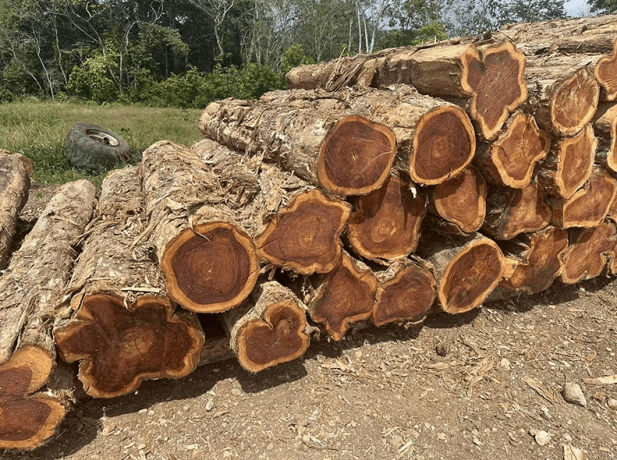
Teak wood is easily identifiable by its golden to medium brown color, which darkens over time. It possesses a straight grain, though occasionally it can be wavy. The texture is coarse and uneven, giving it a distinct and premium look.
Natural Properties
One of teak's most prized features is its high oil content and natural rubber, which make it exceptionally resistant to water, insects, and rot. Even without treatment, teak can withstand harsh environments for decades. These natural properties are why it's widely used in shipbuilding and outdoor furniture.
Advantages of Teak Wood
Exceptional Durability
Teak is among the most durable hardwoods in the world. It withstands weather fluctuations, humidity, and pests with minimal maintenance. Its ability to resist warping, cracking, and decay makes it ideal for both indoor and outdoor use.
Low Maintenance Requirements
Teak ages gracefully, developing a silvery-gray patina if left untreated outdoors. While some prefer to oil it to maintain its rich brown hue, many admire the aged look. It requires little upkeep compared to other woods.
Aesthetic Versatility
Teak's natural grain and color make it suitable for a wide range of styles—from rustic to modern. Whether polished or left raw, its luxurious finish adds warmth and character to any space.
Environmental Resistance
Thanks to its natural oils, teak resists mold, mildew, termites, and even fire to a certain extent. This makes it highly suitable for humid and high-risk environments like kitchens, bathrooms, or boats.
Common Uses of Teak Wood
Furniture
Teak wood is one of the most preferred materials for both indoor and outdoor furniture. From dining sets and lounge chairs to benches and cabinets, teak's strength and elegance make it a popular choice.
Outdoor Decking
Teak decking is widely used for patios, poolside decks, and terraces. Its non-slip nature when wet, combined with its water resistance, makes it ideal for these areas.
Boat Building and Marine Applications
Thanks to its resistance to saltwater, teak is extensively used in the marine industry. It's often found in the decking, trim, and interiors of boats and yachts.
Flooring
Teak flooring adds warmth, luxury, and durability to any home. Its resistance to moisture makes it perfect for areas like kitchens and bathrooms.
Decorative Items
In addition to structural uses, teak is also used for decorative items like bowls, carvings, and art pieces due to its workability and natural finish.
Sustainable Sourcing of Teak
The Importance of Sustainability
Due to over-harvesting in the past, natural teak forests have declined significantly. Sustainable plantation teak is now essential to protect the environment and meet growing global demand.
Plantation vs. Natural Teak
Plantation teak is grown in controlled environments and harvested responsibly. Although it may have slightly less natural oil content than old-growth teak, it is still high quality and more environmentally friendly.
Certification to Look For
When buying teak, look for certifications such as FSC (Forest Stewardship Council) that indicate the wood was sourced responsibly.
How to Maintain Teak Wood
Cleaning Tips
Use mild soap and water to clean teak. Avoid harsh chemicals or power washing, which can damage the surface. A soft-bristled brush is ideal for removing dirt and debris.
Oiling and Sealing
Teak can be oiled to maintain its golden brown color. Use specialized teak oil and apply it periodically, depending on the level of exposure to the elements.
Handling Stains and Scratches
Stains can usually be removed by light sanding. For deeper scratches, teak can be refinished by sanding the affected area and reapplying oil.
Teak Wood in Modern Design
Interior Design Trends
Teak is frequently used in modern, minimalist, and Scandinavian-style interiors. Its rich tone pairs well with neutral color schemes and natural materials like stone, metal, and glass.
Outdoor Living Spaces
Outdoor furniture and landscaping designs increasingly favor teak for its longevity and visual appeal. From garden benches to pergolas, teak enhances the aesthetic value of outdoor areas.
Eco-Conscious Choices
More consumers and designers now opt for sustainably sourced teak to align with eco-friendly building and design principles.
Comparing Teak with Other Woods
Teak vs. Oak
Teak is more weather-resistant and durable outdoors than oak, though oak may be preferred indoors due to its lower cost and broader availability.
Teak vs. Mahogany
Both are luxurious woods, but teak has superior water resistance, making it better for exterior use and marine applications.
Teak vs. Acacia
Acacia is a cheaper alternative but lacks the durability and natural oil content of teak. It requires more maintenance and has a shorter lifespan.
Buying Tips for Teak Wood Products
Understand the Grade
Teak is graded into A, B, and C:
-
Grade A: Highest quality, from the heartwood, rich in oil, consistent in color.
-
Grade B: Some sapwood, slightly lighter in color.
-
Grade C: Mostly sapwood, lower in quality and durability.
Know the Source
Always inquire about the origin of the teak and ask for sustainability certificates. Avoid illegally logged or uncertified teak.
Check Craftsmanship
Quality teak furniture or flooring should have precise joints, smooth finishes, and solid construction. Avoid pieces with cracks or visible glue.
Frequently Asked Questions
Q1: Is teak wood waterproof?
Teak is not technically waterproof, but it is highly water-resistant due to its natural oils, making it ideal for outdoor and marine environments.
Q2: Does teak furniture need to be oiled?
No, oiling is optional. Oiling helps retain the original color, but many people prefer the natural silver-gray patina that develops over time.
Q3: Can teak wood be used indoors?
Absolutely. Teak is excellent for indoor furniture, flooring, and cabinetry, offering warmth, style, and long-lasting performance.
Q4: How long does teak wood last outdoors?
Teak can last 50 years or more outdoors, even without treatment. With proper care, it can last a lifetime.
Q5: Is teak wood environmentally friendly?
If sourced from certified plantations, teak is a sustainable and eco-friendly hardwood option.
Article Summary
Teak wood is a premier choice for furniture, flooring, and marine use due to its exceptional durability, water resistance, and timeless appeal. Sourced sustainably, teak offers low-maintenance elegance for both indoor and outdoor settings, making it a wise and eco-conscious investment.