

The Strength and Sustainability of Azobe Wood: A Comprehensive Guide for Global Construction and Marine Applications
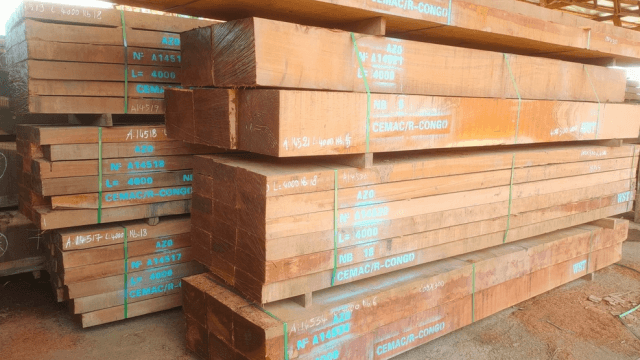
Please click here:
https://www.shdtimber.com/products.html
Introduction
Azobe wood, also known as Lophira alata or Ekki, is a tropical hardwood native to West and Central Africa. Renowned for its exceptional strength, density, and durability, Azobe is a popular choice for demanding structural and marine applications. This article explores the properties, benefits, uses, sustainability considerations, and future prospects of Azobe wood in international markets. Whether you're a construction professional, a marine engineer, or an eco-conscious buyer, understanding Azobe's capabilities will help you make informed choices.
Understanding Azobe Wood
Botanical Origin and Physical Characteristics
Azobe, scientifically known as Lophira alata, is a member of the Ochnaceae family. It grows predominantly in countries such as Cameroon, Gabon, Ivory Coast, and Ghana. The tree can reach heights of up to 50 meters with trunk diameters exceeding 1.5 meters, making it suitable for large timber sections.
Physically, Azobe wood is dark reddish-brown with a coarse texture and interlocked grain. The heartwood is highly resistant to insects, decay, and water, which contributes to its longevity and minimal maintenance requirements. It has a high density—often over 1,000 kg/m³—making it one of the heaviest commercially used woods.
Mechanical Properties
Azobe is celebrated for its remarkable strength and resistance to wear. Its mechanical properties include:
-
High compressive strength, ideal for structural supports
-
Excellent bending strength, allowing it to withstand extreme loads
-
Exceptional hardness, making it resistant to abrasion
-
Low permeability, offering protection against moisture penetration
These properties make Azobe suitable for use in both load-bearing and exposed conditions.
Key Applications of Azobe Wood
Marine and Freshwater Structures
Azobe is commonly used in marine construction because of its natural resistance to water, fungi, and marine borers. Typical applications include:
-
Harbor and dock construction
-
Bridges and piers
-
Lock gates
-
Fender systems
-
Sheet piling
Its durability in salty and freshwater environments means it often outperforms treated softwoods or other tropical hardwoods.
Heavy-Duty Industrial Flooring
Due to its hardness and ability to bear substantial loads, Azobe is ideal for use in:
-
Truck beds
-
Factory floors
-
Loading docks
-
Industrial platforms
Its resistance to impact and chemicals adds to its appeal in harsh environments.
Railway and Civil Engineering
Azobe is frequently chosen for:
-
Railway sleepers
-
Bridge beams
-
Foundation piles
-
Retaining walls
Its compressive strength and resistance to deformation under load ensure long-term stability.
Advantages of Using Azobe Wood
Durability and Longevity
Azobe has a service life that often exceeds 30 years even in exposed conditions. It resists rot, termites, and marine organisms without chemical treatment, reducing the need for preservatives and maintenance.
Environmental Resistance
Its natural oils and dense cellular structure provide excellent resistance to water absorption and chemical intrusion. These features make it reliable in:
-
Tropical climates
-
Coastal areas
-
Industrial environments
Cost Efficiency in the Long Run
Although the initial cost of Azobe may be higher than that of softwoods or engineered materials, its long lifespan and minimal maintenance requirements offer a lower total cost of ownership.
Challenges and Considerations
Workability
Azobe's extreme hardness makes it difficult to machine. It can cause excessive wear on cutting tools, and pre-drilling is often required for fastening. Specialized equipment and skilled labor are recommended for processing.
Weight
With a density exceeding 1,000 kg/m³, Azobe is significantly heavier than many other timbers. This can increase transportation costs and complicate installation.
Availability and Cost
As a tropical hardwood, Azobe's availability is limited by forestry regulations and sustainable harvesting practices. Its price reflects both its quality and the challenges in sourcing and processing it responsibly.
Sustainability and Environmental Impact
Harvesting Practices
Responsible forestry management is crucial for preserving Azobe forests. Certifications such as FSC (Forest Stewardship Council) and PEFC (Programme for the Endorsement of Forest Certification) ensure that Azobe is harvested sustainably, protecting biodiversity and forest regeneration.
Carbon Footprint
Although Azobe is transported from Africa, its long lifespan and durability may offset the environmental impact compared to shorter-lived, chemically treated alternatives. Moreover, using durable natural materials can reduce landfill waste and the need for replacements.
Eco-Friendly Alternatives and Comparisons
While Azobe is hard to beat in terms of performance, alternatives like recycled plastics or sustainably grown softwoods treated with eco-friendly preservatives are increasingly used in similar applications. However, these may not match Azobe's mechanical properties or aesthetic appeal.
Future Outlook and Market Trends
Rising Demand in Global Construction
As infrastructure development grows worldwide, the demand for long-lasting, natural materials like Azobe is increasing. Particularly in regions with coastal or flood-prone conditions, Azobe is valued for its performance.
Innovations in Wood Processing
Technological improvements in sawmilling and machining are making it easier to work with dense hardwoods like Azobe. These advancements are also reducing waste and increasing yield.
Push for Certified Sustainable Wood
Environmental concerns are prompting governments and private sectors to prioritize certified wood. Exporters of Azobe who can provide traceability and certification are more likely to meet international demand.
Conclusion
Azobe wood represents a unique combination of strength, durability, and environmental resistance, making it a standout choice for demanding construction and marine applications. While it presents some challenges in terms of workability and weight, the benefits often outweigh the drawbacks, especially in projects that require longevity and resilience.
Its use in heavy-duty environments—from harbor installations to railway tracks—underscores its reliability. As sustainability becomes a greater concern, responsibly sourced Azobe will continue to hold value in markets that prioritize both performance and environmental stewardship.
Frequently Asked Questions (FAQs)
Q1: What is Azobe wood mainly used for?
A1: Azobe is primarily used for marine construction, heavy-duty flooring, bridges, railway sleepers, and industrial structures due to its exceptional durability and strength.
Q2: Is Azobe resistant to water and insects?
A2: Yes, Azobe is naturally resistant to water, termites, fungi, and marine borers, making it suitable for outdoor and underwater use without chemical treatment.
Q3: How does Azobe compare to other hardwoods?
A3: Azobe is denser and more durable than many tropical hardwoods. Its mechanical strength and longevity often surpass alternatives like Iroko, Teak, or Greenheart.
Q4: Can Azobe be used in residential applications?
A4: While less common, it can be used in high-end decking, fencing, or outdoor structures. However, its heaviness and difficulty to work with make it more suitable for commercial and industrial use.
Q5: Is Azobe wood sustainable?
A5: When sourced from certified forests with responsible harvesting practices, Azobe can be a sustainable choice. Look for FSC or PEFC certification to ensure environmental responsibility.
Article Summary
Azobe wood, known for its immense strength, density, and durability, is ideal for marine, industrial, and structural applications. This guide explores its properties, uses, sustainability, and challenges. As demand grows for natural yet durable materials, certified Azobe remains a leading choice for international projects.