

please click here:
https://www.shdtimber.com/products.html
What Is Padouk Wood?
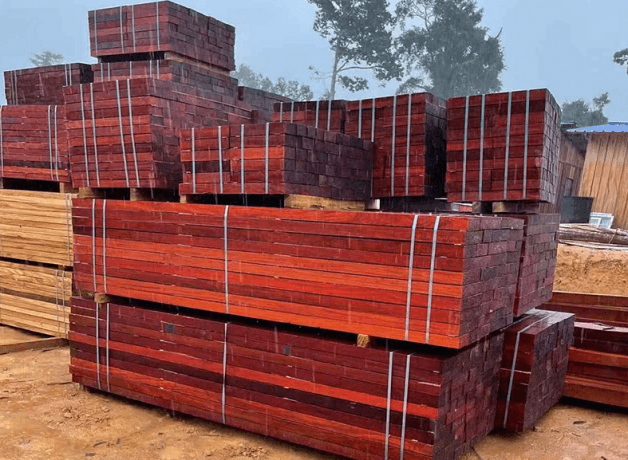
Padouk wood, also spelled Padauk, refers to a group of tropical hardwoods derived mainly from the Pterocarpus species, commonly found in Africa and Asia. Its vivid coloration, ranging from rich orange-red to deep burgundy, makes it a standout material in woodworking, furniture design, and musical instrument crafting. Over time, Padouk wood matures into a beautiful brownish-red or purplish hue, adding to its aesthetic charm and long-lasting appeal.
Common species of Padouk include:
-
African Padouk (Pterocarpus soyauxii) – the most commonly used variety.
-
Andaman Padouk (Pterocarpus dalbergioides) – native to the Andaman Islands.
-
Burmese Padouk (Pterocarpus macrocarpus) – found in Southeast Asia.
Padouk's vibrant color, strength, and workability contribute to its popularity among woodworkers and designers alike.
Physical Properties of Padouk Wood
Color and Appearance
Freshly cut Padouk wood features a bright reddish-orange or coral-red color that darkens with exposure to light and air. The grain is typically straight but may sometimes be interlocked or wavy, giving it a unique pattern that enhances its visual appeal. Its texture is moderately coarse and often described as similar to rosewood.
Density and Hardness
Padouk is a dense hardwood with a high Janka hardness rating. This makes it suitable for high-traffic areas and projects that require durability. The wood has excellent dimensional stability, meaning it resists warping and shrinking better than many other hardwoods.
-
Average density: ~700–850 kg/m³
-
Janka hardness: ~1,720 lbf for African Padouk
Workability
Despite its hardness, Padouk wood is relatively easy to work with, both by machine and by hand. It cuts cleanly, glues well, and finishes beautifully. However, due to its natural oils, it may occasionally cause issues with some adhesives or finishes if not properly prepared.
Common Uses of Padouk Wood
Furniture Making
Padouk is a popular choice for crafting high-end furniture such as tables, chairs, and cabinets. Its bright hue makes it a focal point in interior design, and its strength ensures the furniture lasts for generations.
Flooring
Due to its durability and resistance to wear, Padouk is an excellent material for hardwood flooring. Its rich color brings warmth and elegance to both residential and commercial interiors.
Musical Instruments
Instrument makers favor Padouk for producing xylophone bars, guitars, and other instruments. The wood's tonal qualities and resonance make it ideal for acoustics.
Decorative Veneers and Inlays
Padouk is often used in veneers and inlays to add visual interest to woodcraft projects. Its vibrant color contrasts well with lighter woods like maple or ash.
Carvings and Turned Objects
Its stability and fine grain make it suitable for woodturning and carving. Craftsmen create bowls, pens, sculptures, and other artistic items from Padouk wood.
Benefits of Using Padouk Wood
Aesthetic Appeal
Padouk's exotic look is one of its biggest advantages. Its rich color and unique grain pattern make it ideal for luxury and design-focused projects.
Durability and Stability
This hardwood is extremely durable and resistant to decay, termites, and marine borers, making it suitable for outdoor use if properly sealed.
Acoustic Properties
Its dense structure provides good tonal quality, making it ideal for musical instruments, especially percussive ones.
Easy to Work With
Padouk can be machined, glued, sanded, and finished with relative ease. Although its dust can be irritating, basic safety precautions eliminate most issues.
Challenges and Considerations
Color Changes Over Time
Padouk is known for its color transformation. While the fresh cut is vivid red or orange, it will darken to brown or purple hues. This is natural and can be slowed with UV-resistant finishes.
Allergic Reactions and Toxicity
Some woodworkers report allergic reactions, respiratory irritation, or skin rashes when working with Padouk. Wearing a dust mask and gloves is recommended.
Cost and Availability
While not the most expensive exotic hardwood, Padouk can be more costly than domestic woods. It is generally available in lumber and veneer form but can be subject to availability depending on market conditions and export regulations.
Padouk Wood Compared to Other Exotic Hardwoods
Padouk vs. Mahogany
Padouk is denser and harder than mahogany, making it more durable for high-impact applications. However, mahogany has a more traditional brown-red tone and is easier to stain.
Padouk vs. Rosewood
Rosewood is darker and oilier with a more uniform grain, whereas Padouk is brighter and more visually dynamic. Rosewood is commonly used in guitar fretboards, while Padouk is favored for xylophone keys and other tonal applications.
Padouk vs. Teak
Teak has natural oils that make it perfect for outdoor furniture. While Padouk can also be used outdoors, it must be sealed. In terms of aesthetics, Padouk is more colorful, while teak has a muted golden-brown tone.
Sustainability and Environmental Impact
As with any exotic hardwood, the sourcing of Padouk wood raises concerns about deforestation and sustainability. Fortunately, much of the African Padouk on the market is harvested under controlled conditions. It's crucial to buy Padouk that is FSC (Forest Stewardship Council) certified or comes from responsibly managed forests.
Some species like Andaman Padouk may be protected or endangered, so it is vital to confirm the origin of the wood before purchase.
Tips for Working with Padouk Wood
Preparation and Cutting
Use sharp tools to minimize chipping and burning. Due to its density, slower feed rates and carbide-tipped blades are recommended.
Sanding and Finishing
Padouk sands to a smooth surface and takes finishes well, though oil finishes may darken the wood more than expected. Water-based polyurethane helps preserve its bright color.
Preventing Color Change
To reduce oxidation and fading, apply a finish with UV inhibitors. Keep the wood out of direct sunlight when storing or using it indoors.
Maintenance and Care
Cleaning
Clean Padouk wood surfaces with a soft cloth and mild wood cleaner. Avoid harsh chemicals or excessive water, as these can damage the finish.
Re-finishing
If the wood dulls over time, lightly sand and apply a fresh coat of finish to restore its luster. For flooring or high-traffic items, regular polishing helps maintain appearance and durability.
Frequently Asked Questions About Padouk Wood
Q1: Why does Padouk wood change color over time?
A: Padouk undergoes natural oxidation and exposure to UV light, causing its bright red or orange hue to darken to a brown or purplish tone. This is common among many tropical hardwoods.
Q2: Is Padouk wood suitable for outdoor use?
A: Yes, Padouk has good resistance to decay and insects, making it suitable for outdoor furniture or decking if properly sealed and maintained.
Q3: Does Padouk wood have a strong odor?
A: When freshly cut, Padouk may emit a faint, spicy aroma, but it typically fades as the wood dries and is finished.
Q4: Can Padouk wood be glued easily?
A: Generally, yes. However, the wood's natural oils may interfere with some adhesives, so surfaces should be cleaned with solvent before gluing.
Q5: Is Padouk wood eco-friendly?
A: It depends on the sourcing. Always choose Padouk certified by sustainable forestry organizations to ensure minimal environmental impact.
Article Summary
Padouk wood, known for its vivid red hue and excellent durability, is a premium exotic hardwood used in furniture, flooring, musical instruments, and decorative items. It offers a blend of aesthetic appeal, strength, and workability, though it requires careful maintenance and ethical sourcing.