

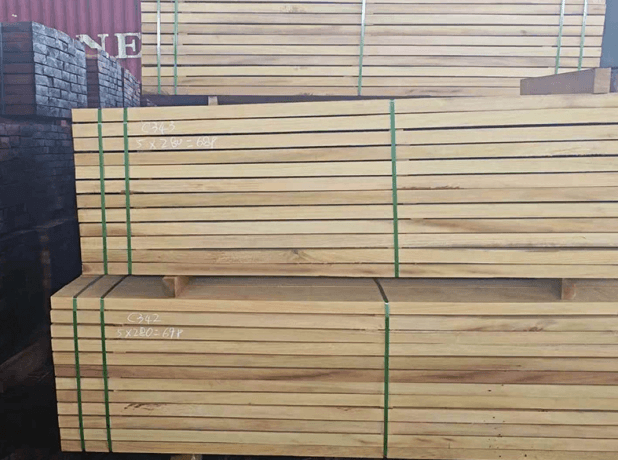
please click here:
https://www.shdtimber.com/products.html
Introduction to Iroko Wood
Iroko wood is a premium hardwood widely recognized for its strength, durability, and aesthetic appeal. Sometimes referred to as "African teak," Iroko has carved a niche for itself in the global timber market due to its impressive characteristics and diverse applications. Sourced primarily from tropical West and Central Africa, this golden-brown to dark chocolate hardwood is popular in furniture-making, decking, boat-building, flooring, and more. With growing emphasis on sustainability and environmental consciousness, Iroko wood is increasingly seen as a desirable alternative to other endangered hardwoods.
In this article, we explore the origins, features, benefits, uses, and maintenance of Iroko wood, helping you understand why it is an exceptional material for both indoor and outdoor projects.
Origin and Characteristics of Iroko Wood
Botanical Background
Iroko comes from the Milicia genus, with the two main species being Milicia excelsa and Milicia regia. These trees are native to several African countries including Nigeria, Ghana, Ivory Coast, and Cameroon. The trees can grow to heights of up to 50 meters, with large, spreading crowns.
Physical Appearance
The heartwood of Iroko ranges from yellowish-brown to medium brown, often darkening over time. Its grain can be interlocked or sometimes irregular, giving the wood a distinctive, decorative look. The texture is medium to coarse, and the wood contains calcium carbonate deposits which can make it abrasive on tools.
Mechanical Properties
-
Density: Medium to high, typically around 640–720 kg/m³ when dry.
-
Hardness: Comparable to oak, making it suitable for heavy-use applications.
-
Durability: Excellent resistance to decay, insects, and fungal attacks.
Workability
While Iroko is generally easy to work with, the presence of deposits in the wood can dull tools quickly. Pre-drilling is often recommended when nailing or screwing. It glues and finishes well but may require sanding and sealing to achieve a smooth surface.
Advantages of Using Iroko Wood
Durability and Resistance
One of the primary reasons Iroko is chosen over other woods is its natural durability. It withstands moisture, pests, and temperature fluctuations, making it ideal for exterior applications such as decking and marine uses.
Sustainability and Availability
Unlike some tropical hardwoods like teak and mahogany, Iroko is less endangered and more readily available. It grows relatively fast compared to other hardwoods, and sustainable forestry programs have helped maintain a steady supply without severely impacting ecosystems.
Aesthetic Value
With its rich golden to deep brown hues and decorative grain, Iroko is often used in high-end furniture and architectural projects. Its ability to age gracefully makes it particularly attractive for heritage-style construction and restorations.
Versatility
Iroko is highly versatile. Whether you're building boats, benches, parquet floors, or window frames, Iroko offers the strength and visual appeal necessary for premium craftsmanship.
Common Applications of Iroko Wood
Furniture
Iroko's resistance to warping and cracking makes it a favorite for indoor and outdoor furniture. It is often used in making chairs, tables, bed frames, and cabinetry.
Decking and Flooring
The wood's weather-resistant qualities make it perfect for decking. In flooring, Iroko is known for its warm tones and resilience under heavy foot traffic.
Marine Construction
Due to its resistance to rot and water, Iroko is frequently used in boat building, docks, and marine pilings. Its ability to withstand harsh sea conditions is comparable to that of teak.
Doors and Windows
Architects and designers value Iroko for its dimensional stability and aesthetic appeal in custom doors and window frames.
Carving and Sculptures
Artisans use Iroko for carvings and sculptures because of its moderate density and appealing finish when polished.
Iroko Wood vs. Teak and Other Hardwoods
Iroko vs. Teak
-
Cost: Iroko is significantly more affordable than teak.
-
Durability: Both are durable, but teak has a slight edge in oily content which improves natural waterproofing.
-
Workability: Teak is easier to machine, while Iroko's deposits may require more tool maintenance.
-
Availability: Iroko is less endangered and more sustainably sourced.
Iroko vs. Mahogany
-
Color: Mahogany has a more reddish hue, while Iroko leans toward golden to brown tones.
-
Durability: Iroko offers similar resistance to decay but is slightly less uniform in texture.
-
Application: Both are used for luxury furniture, but Iroko performs better in exterior uses.
Working with Iroko Wood
Tips for Cutting and Machining
Use carbide-tipped tools to handle the mineral content in Iroko. Sharp blades and bits are necessary to minimize burning and splintering.
Fastening and Gluing
Pre-drilling is advised when using nails or screws. Some adhesives may have difficulty bonding due to natural oils; using epoxy or polyvinyl acetate (PVA) glue yields better results.
Finishing
To achieve a smooth, polished look, sanding with fine-grit paper followed by sealing is recommended. Iroko can darken with age, so UV-protective finishes help maintain the original color.
Maintenance and Care
Outdoor Use
Clean outdoor furniture and decks periodically with a soft brush and mild soap. Apply oil or sealant annually to maintain luster and protect against moisture and UV damage.
Indoor Use
Regular dusting and polishing are sufficient. Avoid using harsh chemicals which may strip the natural oils.
Environmental and Ethical Considerations
As awareness of deforestation and climate change increases, responsible sourcing of hardwoods has become essential. Many suppliers now offer Iroko certified by bodies like the FSC (Forest Stewardship Council), ensuring it is harvested in a sustainable and ethical manner. Buyers should inquire about certifications when purchasing to support environmentally conscious forestry.
Future Outlook for Iroko Wood
The future of Iroko in the global timber industry looks promising. With its balance of affordability, durability, and sustainability, Iroko is expected to continue growing in popularity, especially as consumers and industries shift toward eco-friendly materials. Research into better processing and treatment methods will further expand its applications and ease of use.
Frequently Asked Questions About Iroko Wood
1. Is Iroko wood suitable for outdoor use?
Yes, Iroko is highly resistant to moisture and decay, making it excellent for outdoor furniture, decking, and marine environments.
2. Does Iroko wood need to be treated before use?
While it can be used untreated, applying a sealant or oil improves longevity and maintains its color, especially in exterior applications.
3. How does Iroko compare to teak in terms of price and performance?
Iroko is more affordable than teak and performs similarly in durability. However, teak has a higher natural oil content, which can offer slightly better weatherproofing.
4. Can Iroko be stained or painted?
Yes, Iroko can be stained, but its natural color is often preferred. If painting, a proper primer should be used to ensure adhesion.
5. Is Iroko a sustainable hardwood choice?
When sourced responsibly, Iroko is considered a more sustainable alternative to other tropical hardwoods. Always check for certifications like FSC when purchasing.
Article Summary
Iroko wood is a versatile and durable African hardwood prized for its resistance to decay, affordability, and rich appearance. Often compared to teak, it is widely used in furniture, decking, marine applications, and more. With sustainable sourcing and proper care, Iroko wood is an eco-conscious choice for lasting quality.