

Everything You Need to Know About Sipo Wood: Properties, Uses, and Advantages for Global Buyers
please click here:
https://www.shdtimber.com/products.html
Introduction to Sipo Wood
Sipo wood, also known as Entandrophragma utile, is a tropical hardwood native to West and Central Africa. Often referred to as "Sipo Mahogany" due to its resemblance to genuine mahogany, this species has become a popular alternative for furniture, flooring, cabinetry, and boat building. Its combination of attractive grain, stability, and resistance to wear makes it a valuable material in both local and international markets.
This article explores everything you need to know about Sipo wood—from its botanical characteristics and mechanical properties to its applications, workability, and sustainability. Whether you are a furniture manufacturer, architect, or wood importer, this comprehensive guide will provide valuable insights into Sipo wood and why it could be the perfect material for your next project.
Characteristics of Sipo Wood
Botanical and Physical Traits
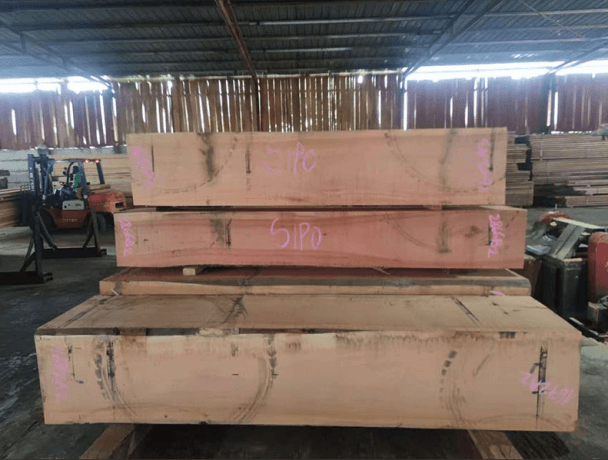
Sipo wood comes from large trees that can grow up to 60 meters in height. It is part of the Meliaceae family and shares many characteristics with African Mahogany species. The heartwood is medium to dark reddish-brown with a uniform texture and interlocked grain, which gives it a lustrous appearance.
Key physical characteristics:
-
Color: Pinkish to reddish brown, darkening with age
-
Grain: Interlocked, sometimes wavy
-
Texture: Medium to coarse
-
Density: Approximately 640–720 kg/m³ at 12% moisture content
Durability and Resistance
Sipo is moderately durable when it comes to resistance to decay and insects. It is particularly resistant to dry wood borers and termites, though less resistant to fungal attack in very moist environments.
Its natural resistance makes it ideal for both indoor and protected outdoor uses. However, for applications in highly humid or exposed conditions, proper finishing and treatment are recommended.
Mechanical Properties and Workability
Strength and Stability
Sipo wood exhibits a good balance between strength and workability. Its mechanical properties make it suitable for structural as well as decorative applications.
Notable mechanical traits:
-
High bending and crushing strength
-
Good dimensional stability when properly dried
-
Low shrinkage after seasoning
Machining and Finishing
One of the reasons why Sipo is favored in the woodworking industry is its excellent workability. It machines easily with both hand and power tools, although the interlocked grain may cause some tear-out during planing.
Tips for better performance:
-
Use sharp tools to minimize tear-out
-
Pre-drilling is advised for screwing or nailing
-
Accepts stains, paints, and finishes well
Sipo glues well and polishes to a fine luster, making it suitable for high-end furniture and architectural elements.
Common Applications of Sipo Wood
Interior Applications
Sipo wood's aesthetic qualities and stable performance make it an excellent choice for interior use, including:
-
Furniture: Ideal for classic or modern designs, providing a luxurious look and feel
-
Cabinetry: Its workability and smooth finish make it popular for kitchen and bathroom cabinets
-
Flooring: Offers both beauty and durability in residential and commercial flooring
-
Wall paneling and moldings: A common choice for upscale interior design
Exterior and Specialized Uses
While not as durable outdoors as some hardwoods, Sipo is still used in covered or semi-protected environments. It is also suitable for:
-
Doors and window frames
-
Veneers and decorative inlays
-
Musical instruments
-
Boat interiors
With appropriate finishing and maintenance, Sipo can also be used in limited outdoor applications such as pergolas and porch ceilings.
Sipo Wood vs. Other Mahogany Alternatives
Sipo vs. Genuine Mahogany
Genuine Mahogany (Swietenia macrophylla) is considered the gold standard, but it has become increasingly scarce and expensive. Sipo offers a sustainable and cost-effective alternative with similar visual and mechanical properties.
| Property | Sipo Wood | Genuine Mahogany |
|---|---|---|
| Color | Reddish brown | Deep reddish brown |
| Grain | Interlocked | Straight to interlocked |
| Density | Moderate | Moderate |
| Workability | Very good | Excellent |
| Cost | More affordable | Expensive |
| Availability | Readily available | Limited and regulated |
Sipo vs. Sapele
Sipo and Sapele are often confused due to their similar appearance. However, Sapele tends to have a finer texture and is slightly harder, while Sipo is easier to machine and sand.
Sustainability and Environmental Considerations
Forest Management and Certification
With the increasing global emphasis on sustainable sourcing, many timber suppliers are offering Sipo wood certified under FSC (Forest Stewardship Council) or PEFC (Programme for the Endorsement of Forest Certification) guidelines. This ensures that the wood is harvested from responsibly managed forests.
Legal and Ethical Sourcing
When importing or exporting Sipo wood, it's crucial to ensure legal compliance with international trade regulations such as:
-
EUTR (EU Timber Regulation)
-
Lacey Act (USA)
-
FLEGT (Forest Law Enforcement, Governance and Trade)
Ethical sourcing not only supports conservation efforts but also appeals to environmentally conscious consumers.
Tips for Importers and Global Buyers
How to Choose a Reliable Supplier
When sourcing Sipo wood internationally, ensure that the supplier:
-
Provides clear documentation of origin
-
Offers product grading and quality guarantees
-
Is familiar with international shipping and customs processes
Visiting the supplier or requesting third-party inspection can also help ensure product integrity.
Storage and Transportation
Sipo wood should be stored in a dry, covered space with adequate ventilation. During transit, especially in humid regions, it's important to use moisture barriers and desiccants to prevent mold and deformation.
Maintenance and Long-Term Care
Indoor Maintenance
To keep Sipo furniture or flooring in top condition:
-
Dust regularly with a soft cloth
-
Avoid prolonged exposure to direct sunlight
-
Use coasters or pads under hot or heavy objects
Occasional re-oiling or refinishing may be required depending on the finish and usage.
Exterior Protection
If used in outdoor settings, Sipo should be sealed with a high-quality UV-resistant finish. Regular inspection and reapplication of the protective coating will help extend its lifespan.
Frequently Asked Questions
1. Is Sipo wood sustainable?
Yes, when sourced from FSC or PEFC-certified forests, Sipo is considered a sustainable alternative to endangered hardwoods like genuine mahogany.
2. Can Sipo wood be used outdoors?
It can be used in covered or semi-protected outdoor areas. For full outdoor exposure, proper treatment and maintenance are essential.
3. How does Sipo compare to Sapele wood?
Sipo is slightly lighter and easier to work with than Sapele, though both have similar colors and grains. Sapele is harder and more durable for demanding applications.
4. Is Sipo wood expensive?
It is more affordable than genuine mahogany and competitively priced compared to other tropical hardwoods, making it a popular choice for high-end yet cost-conscious projects.
5. Does Sipo wood darken over time?
Yes, like many hardwoods, Sipo tends to darken and develop a richer tone with age and exposure to light.
Article Summary
Sipo wood, a durable and visually appealing hardwood from Africa, is gaining global popularity as a cost-effective and sustainable alternative to genuine mahogany. With excellent workability, good strength, and attractive grain, it's suitable for furniture, flooring, cabinetry, and more. Understanding its properties, applications, and sourcing considerations can help international buyers make informed decisions when choosing this versatile material.