

Beyond the Surface: How a Heat Press Machine Can Redefine Fabric and Branding Production
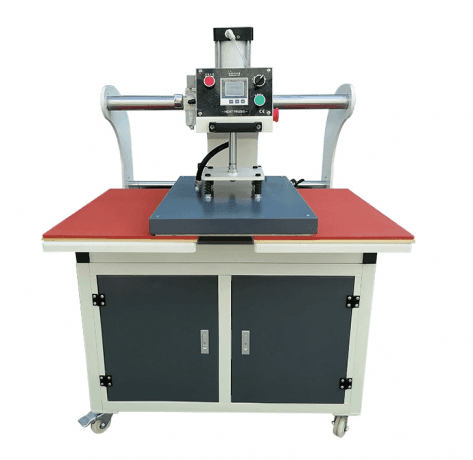
please click here:
https://www.dcsbheatpress.com/double-stations-heat-press-machine.html
In the last decade, the heat press machine has evolved from a niche crafting tool into a key player in global apparel, gifts, and promotional product industries. Whether you're an entrepreneur customizing sportswear or a large-scale manufacturer branding corporate merchandise, understanding how this device shapes modern production will give you a competitive edge.
The Rise of Heat Press Technology
Fabric decoration used to rely heavily on screen printing, which required time-consuming setup, expensive inks, and considerable skill. The heat press machine changed all that. By applying heat and pressure, it transfers designs from printed transfers or vinyl directly onto garments or surfaces. Simple in concept, yet powerful in results, the heat press democratized production by lowering entry barriers while maintaining professional quality.
Today, with digital printing and sublimation booming, the heat press serves as the final vital step—a fusion of art, heat, and precision. Designers call it “the moment the magic happens,” when an image on paper becomes an enduring design on fabric.
Types of Heat Press Machines
There isn't a one-size-fits-all press. The ideal machine depends on your business goals, materials, and production volume. Below are the main types on the market:
| Type | Mechanism | Best For | Advantages | Limitations |
|---|---|---|---|---|
| Clamshell | Top plate opens upward like a clamshell | Beginners, small studios | Compact, easy to operate | Limited space for thick items |
| Swing-Away | Top plate swings aside horizontally | Professional print shops | Full access to layout, even pressure | Takes more workspace |
| Draw Press | Lower plate slides out | Medium to high volume | Safer handling, precise placement | Slightly higher learning curve |
| Pneumatic | Uses air pressure instead of manual force | Industrial production | Consistent results, high throughput | Expensive setup |
| Multifunction | Equipped with interchangeable platens | All-in-one businesses | Handles fabrics, mugs, caps, plates | Requires careful calibration |
Each type has its place, but choosing depends on how often you produce, what you print, and who will use it.
Anatomy of a Heat Press: What Buyers Should Know
At the core of every heat press are three essential components: the heating element, the pressure system, and the control panel.
-
Heating Element: Determines how quickly and evenly temperature is distributed. Uniform heat ensures consistent transfers without burned or faded spots.
-
Pressure System: Impacts how deeply a design bonds with material. Inadequate pressure leads to peeling; excessive pressure can distort fabric.
-
Control Panel: Modern presses come with digital timers, adjustable temperature settings, and sometimes Bluetooth or programmable features. These are crucial for achieving repeatable quality in production.
For buyers, focus on stability, surface coating quality, and precision. A reliable heat press feels solid, with smooth closing action and minimal temperature fluctuation. These subtle signs often separate professional models from low-cost alternatives.
The Science of Transfer: Heat, Time, and Pressure
Three key variables define success:
-
Temperature: Commonly between 150°C and 200°C, depending on the transfer material.
-
Pressure: Low, medium, or high—measured by the resistance you feel when closing the press.
-
Time: Each transfer medium (vinyl, sublimation, DTF, or screen transfer) has a recommended pressing duration.
Mastering the balance of these factors determines print longevity. A machine that can maintain consistent temperature and pressure over thousands of cycles is worth the investment for any serious user.
Comparing Heat Press to Traditional Printing
| Aspect | Heat Press | Screen Printing |
|---|---|---|
| Setup Time | Minimal, ready in minutes | Labor-intensive, requires screens |
| Color Flexibility | Unlimited with digital transfers | Limited per color |
| Production Volume | Best for small to medium runs | More economical for large runs |
| Customization | Easy individual customization | Time-consuming per design |
| Space & Maintenance | Compact, clean workflow | Requires larger workspace and chemicals |
Heat press technology complements modern businesses focused on small-batch, personalized, or on-demand production. A print-on-demand store or startup apparel brand can launch with minimal investment while delivering professional products.
How Heat Press Machines Drive Modern Business Models
The rising trend of personalized products drives the demand for heat press equipment. From Etsy sellers to university stores, customization sells because it provides emotional value. The words “limited edition,” “custom-made,” or “your name here” create instant engagement.
Moreover, brands use heat presses to maintain local micro-production sites, reducing shipping costs and reacting quickly to fashion trends. It's a sustainable shift — printing only when needed reduces waste, storage, and environmental impact.
For corporate buyers, heat press systems integrate easily into small-scale branding operations, enabling faster turnaround for uniforms, promotional giveaways, or event materials.
Maintenance and Longevity
A well-maintained heat press can last a decade or longer. Key maintenance tips include:
-
Keep the platen surface clean and covered with a Teflon sheet to avoid ink residue.
-
Regularly check temperature accuracy using a digital thermometer.
-
Lubricate moving joints and ensure smooth operation.
-
Avoid slamming the top platen; use controlled, even force.
-
Store in a dry, dust-free environment.
Proper care prevents most issues like uneven heating or mechanical wear, ensuring consistent results for years.
What to Look For When Buying
If you're purchasing a heat press machine for professional use, consider:
-
Precision and Stability — Heavier models generally press more evenly.
-
Digital Control Accuracy — A deviation of even 5°C can ruin a transfer.
-
After-Sale Support — Spare parts and warranty are critical for continuous production.
-
Versatility — Interchangeable platens or attachments increase product range.
-
Safety Features — Auto-open or pressure-release functions improve operator comfort.
Professional buyers also weigh certifications, voltage compatibility, and plug standards depending on their region or market.
The Future of Heat Pressing: Smart and Connected
The newest heat press machines integrate IoT and AI monitoring systems. These track temperature performance, suggest maintenance intervals, and report production metrics through apps. Such devices are becoming standard in factories where traceability and repeatability matter.
Imagine a system that automatically adjusts pressure when fabric thickness changes—a reality not far away. As production moves toward customization and sustainability, smart heat presses will be as vital as digital printers in the creative industry ecosystem.
Real-World Applications
-
Fashion and Apparel: From t-shirts to sportswear, offering endless design flexibility.
-
Home Décor: Custom pillows, curtains, and tabletops now possible.
-
Corporate Gifting: Quick branding for mugs, caps, and bags.
-
Events and Merchandise: On-site personalization at concerts or sports venues.
The diversity of applications means one heat press can serve multiple industries, making it a worthwhile investment for both entrepreneurs and established manufacturers.
Frequently Asked Questions
1. What is the ideal temperature for most heat transfers?
Most transfers require 150°C–180°C, but check your transfer paper or vinyl supplier for exact settings.
2. Can I use a heat press on all fabrics?
Mostly yes, but delicate materials like silk or thin nylon need care. Always test with lower temperature first.
3. What's the difference between a heat press and an iron?
An iron can't maintain consistent pressure or high enough temperature over a large surface. A heat press ensures professional adhesion and durability.
4. How long does a design made with a heat press last?
With proper application and washing techniques, prints can last through dozens of wash cycles without cracking or fading.
5. Is it worth investing in a multifunction heat press?
If you plan to work across materials—textile, ceramics, or metal—a multifunction press provides maximum flexibility and profitability.
Summary
This blog explores how heat press machines revolutionize modern production by blending art, heat, and precision. It covers machine types, comparisons, uses, and buying tips, offering manufacturers and entrepreneurs actionable insights on customization, sustainability, and future trends.